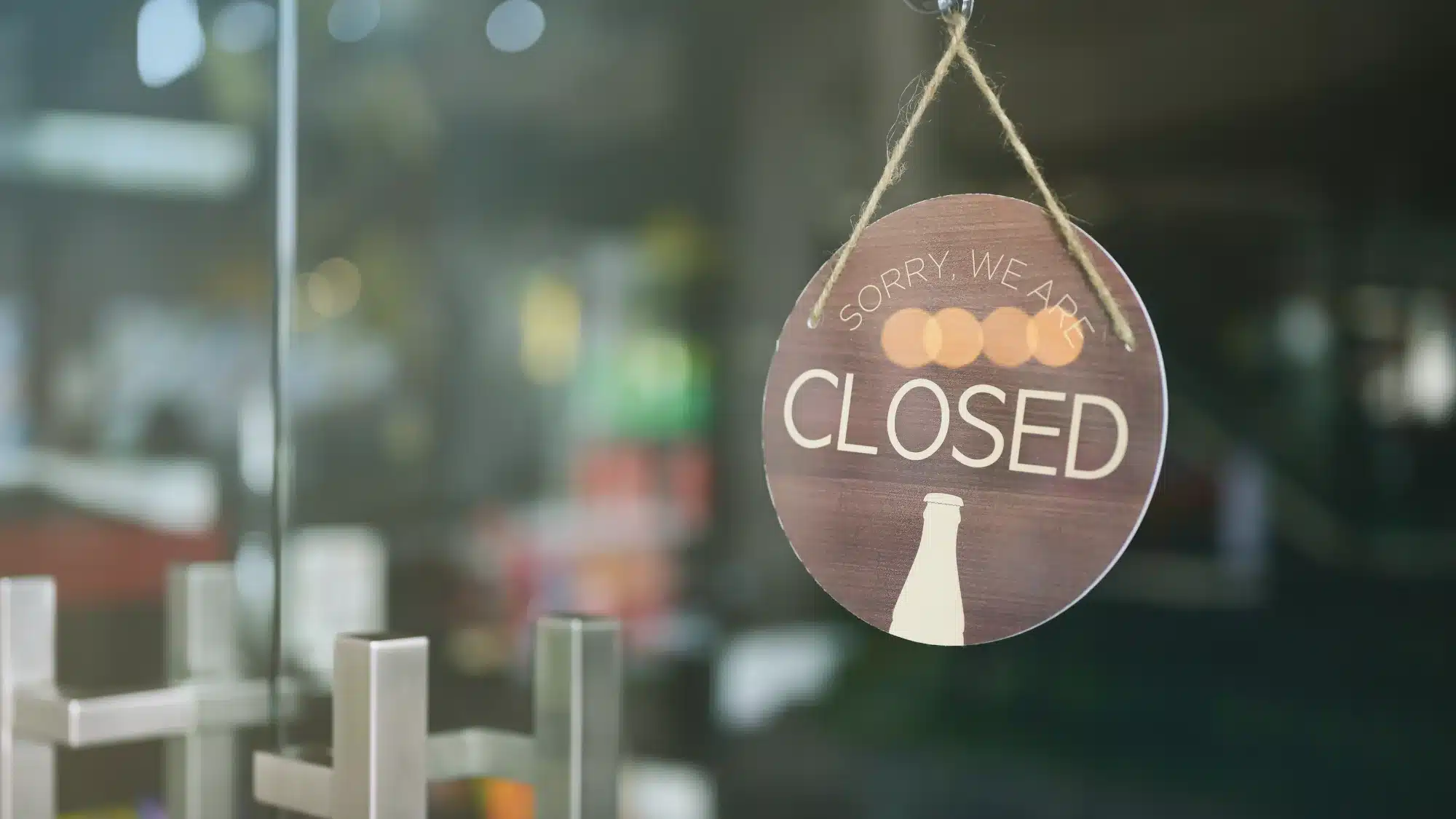
Understanding the Unique Risks of Seasonal Business Shutdowns
Seasonal businesses—such as holiday shops, landscaping companies, and summer camps—face unique operational cycles, often shutting down or reducing activity during off-peak months. While these closures can help manage costs, they also introduce specific insurance considerations that business owners must address to protect their assets and income.
Why Insurance Matters During Holiday Closures
Even when your business is closed for the season, risks do not disappear. Property damage, theft, vandalism, and weather-related incidents can occur at any time, potentially leading to significant financial losses if you’re underinsured or lack the right coverage.
Key Insurance Considerations for Seasonal Shutdowns
1. Business Interruption Insurance
- Purpose: Covers lost income and ongoing expenses if your business is forced to close temporarily due to a covered event, such as a fire or natural disaster.
- Holiday Relevance: For seasonal businesses, a closure during the peak holiday period can result in substantial lost revenue. Business interruption insurance helps bridge the gap, ensuring financial stability until operations resume.
2. Property Insurance Adjustments
- Inventory and Equipment: If you reduce inventory or store equipment during the off-season, adjust your property insurance limits accordingly to avoid overpaying while still protecting against theft or damage.
- Physical Premises: Maintain adequate coverage for your business location, even when closed, as vacant properties can be more susceptible to break-ins or weather damage.
3. Workers’ Compensation Insurance
- Seasonal Employees: If you employ staff during peak periods, you may be legally required to maintain workers’ compensation insurance, even for temporary or part-time workers.
- Off-Season: Review your policy to ensure compliance and cost-effectiveness when your workforce is reduced or inactive.
4. Seasonal Business Insurance Policies
- Flexible Coverage: Some insurers offer seasonal business insurance, allowing you to scale coverage up or down based on your operational calendar. This can be more cost-effective than maintaining year-round policies for risks that only exist during active months.
- Policy Review: Regularly review and update your insurance as your business evolves, especially if you expand services, hire more staff, or invest in new equipment.
Best Practices for Managing Insurance During Holiday Closures
- Conduct an Annual Insurance Review: Assess your coverage needs before each season to ensure you’re neither over- nor under-insured.
- Work with a Trusted Agent: An experienced insurance agency, like D.M. Johnson Insurance Agency, can help you navigate the complexities of seasonal coverage and recommend the best solutions for your business.
- Document and Secure Assets: Take inventory, secure your premises, and document assets before closing for the season to streamline claims if an incident occurs.
Protect Your Seasonal Business Year-Round
Holiday closures are a natural part of many seasonal businesses, but they come with insurance challenges that require proactive management. By understanding your unique risks and reviewing your insurance coverage regularly, you can safeguard your business, minimize financial exposure, and ensure a smooth reopening when the next season arrives.
For tailored advice and comprehensive coverage options, contact D.M. Johnson Insurance Agency—your partner in protecting seasonal businesses through every cycle.